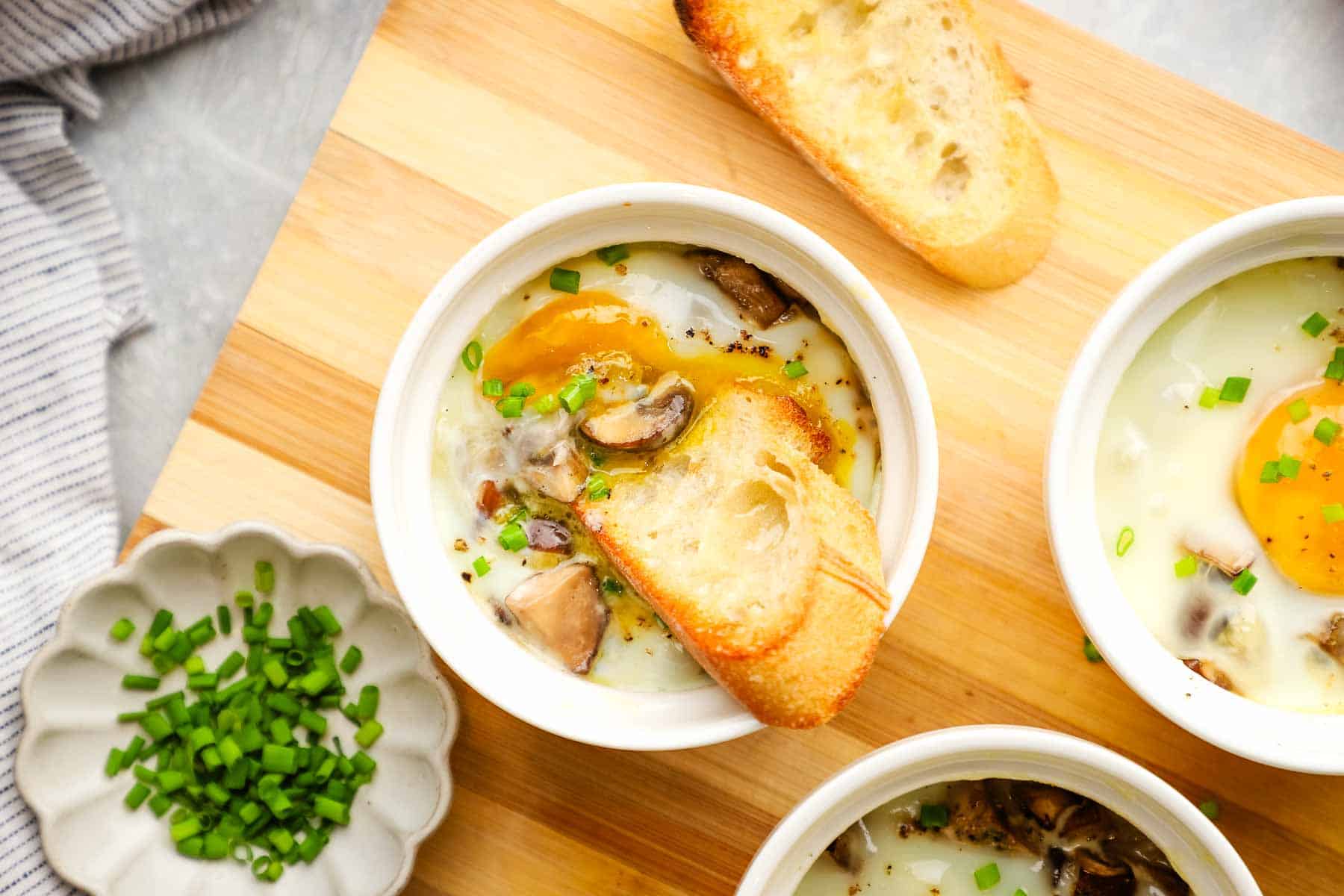
Unveiling the Elegance of French Baked Eggs (Oeufs Cocotte)
Imagine a dish that effortlessly blends rustic simplicity with an undeniable touch of sophistication. A culinary creation that appears complex yet requires minimal effort, yielding a creamy, comforting result perfect for any meal. This, my friends, is the magic of
French baked eggs, affectionately known as Oeufs Cocotte. If you’ve ever shied away from seemingly intricate French cuisine, prepare to be delightfully surprised. Making these elegant eggs is not only easier than you might think but often more forgiving than notoriously finicky dishes like scrambled eggs or delicate omelets. They promise an instant upgrade to your breakfast, brunch, or even a light dinner, transforming everyday ingredients into something truly special.
More Than Just Eggs: A Culinary Secret
At its heart, Oeufs Cocotte translates to "eggs in a little pot," a name that perfectly encapsulates its charm. This classic French recipe involves gently baking eggs in individual ramekins or small oven-safe dishes, often enriched with cream, herbs, and cheese. The beauty lies in its elegant presentation and the luscious texture it achieves: whites that are delicately set, and yolks that remain gloriously runny, just begging to be dipped into with a crusty piece of bread.
Unlike many other egg preparations that demand constant attention, French baked eggs allow for a more hands-off approach. This makes them ideal for entertaining, as you can prepare multiple portions simultaneously, or for a relaxed morning when you crave something more substantial than cereal but less demanding than a traditional fry-up. It's a testament to French culinary philosophy – achieving exquisite taste and presentation through simple, high-quality ingredients and smart techniques.
The Undeniable Appeal: Why Oeufs Cocotte Belong in Your Repertoire
Why should you make Oeufs Cocotte a staple in your kitchen? The reasons are plentiful and compelling:
- Effortless Elegance: They look incredibly impressive, making any meal feel instantly special, yet the actual preparation is surprisingly straightforward.
- Simplified Cooking: Forget the constant stirring of scrambled eggs or the delicate flipping of an omelet. Once assembled, these eggs bake themselves, leaving you free to enjoy your morning coffee.
- Unbeatable Texture: The gentle baking process ensures a creamy, custardy texture for the whites, while the yolks remain wonderfully soft and dippable.
- Incredible Versatility: While delicious on their own, Oeufs Cocotte are endlessly customizable. You can adapt them to your preferences, the season, or whatever ingredients you have on hand.
- Scalability: Whether you're cooking for one person or hosting a large brunch gathering, the recipe scales up or down with ease, making it a perfect option for holidays or everyday meals.
Mastering the Method: The Art of the Hot Water Bath (Bain Marie)
The secret to perfectly cooked, consistently creamy French baked eggs lies in one simple yet crucial technique: the hot water bath, also known as a bain marie. While some stovetop methods exist, the oven method with a water bath is generally preferred by chefs and home cooks alike for its superior results.
Step-by-Step Simplicity: How to Create Your Culinary Masterpiece
Preparing French baked eggs is remarkably simple. Here's a basic overview of the steps involved:
- Prepare Your Ramekins: Lightly butter the inside of your individual ramekins. This not only prevents sticking but also adds a lovely layer of flavor.
- Add Your Base: Spoon a tablespoon of cream, crème fraîche, or full-fat yogurt into the bottom of each ramekin. This creates a rich, creamy base for the egg.
- Crack the Egg: Carefully crack one large egg into each prepared ramekin, ensuring the yolk remains intact.
- Season and Garnish: Season with salt and freshly ground black pepper. Now's the time for customization – sprinkle in your chosen fresh herbs (like chives or parsley) and a tablespoon of cheese (goat cheese, Gruyère, or Parmesan work wonderfully).
- Set Up the Bain Marie: Place the ramekins in a larger baking dish or oven-safe pan. Carefully pour hot (but not boiling) water into the larger dish, ensuring it comes halfway up the sides of the ramekins. Using hot water from the start helps to regulate the temperature more quickly and efficiently.
- Bake: Transfer the baking dish to a preheated oven (typically around 350-375°F or 175-190°C). Bake for 10-15 minutes, or until the whites are set and the yolks are still wonderfully runny. Cooking times will vary based on your oven and desired doneness.
- Serve Immediately: Carefully remove the ramekins from the water bath (tongs are helpful here) and serve piping hot, directly from the dish.
Pro Tips for Perfect Oeufs Cocotte Every Time
The bain marie isn't just an extra step; it's the key to even, gentle cooking. The water bath helps to regulate the temperature around the delicate eggs, preventing the whites from becoming rubbery or drying out, and ensuring the yolks reach that perfect runny consistency. Think of it as a protective, gentle hug for your eggs as they bake.
To achieve consistently perfect French baked eggs:
- Preheat Your Oven and Water: Ensure your oven is fully preheated before placing the eggs inside. Similarly, use *hot* water for your bain marie, not cold. This helps the eggs start cooking gently right away and ensures even heat distribution.
- Don't Overcrowd: Give your ramekins a little breathing room in the larger baking dish for optimal heat circulation.
- Watch the Whites: The best indicator of doneness is the whites of the eggs. They should be just set and opaque, but still look moist. The yolks should shimmer and appear soft. If you prefer a firmer yolk, simply bake for an extra minute or two.
- Size Matters: Use large eggs for consistency. The size of your ramekin will also affect baking time; wider, shallower ramekins might cook slightly faster.
- Don't Fear the Water: Creating a water bath is as simple as pouring water into a dish. Don't let this easy step deter you from trying this fantastic recipe!
Ingredients & Infinite Customizations for Your French Baked Eggs
One of the greatest joys of making french baked eggs is their adaptability. While a basic recipe is a fantastic starting point, the real fun begins when you start to experiment with different flavors and ingredients.
The Essential Foundation: Quality Ingredients Matter
For a dish with so few components, the quality of each ingredient truly shines through.
- Butter: Use softened, good-quality butter to grease your ramekins. It imparts a subtle richness and helps with easy removal (if you ever need to unmold them, which is rare for this dish).
- Eggs: Fresh, large eggs are paramount. Their yolks will be vibrant, and their whites will set beautifully.
- Cream or Yogurt: Crème fraîche is traditional for its tangy richness, but heavy cream works perfectly. For a slightly lighter or tangier alternative, full-fat Greek yogurt is an excellent substitute, as suggested in our reference context. It adds a lovely creaminess without being overly heavy.
- Fresh Herbs: Chives and parsley offer a delicate, classic flavor profile. Their fresh aroma is a wonderful counterpoint to the rich egg.
- Salt and Pepper: A simple seasoning is all that's needed to enhance the natural flavors.
Elevate & Innovate: Beyond the Basic French Baked Eggs
Once you've mastered the basic technique, the possibilities for customization are endless. Think of your Oeufs Cocotte as a blank canvas waiting for your culinary brushstrokes.
- Cheese Varieties: Beyond goat cheese, Parmesan, feta, or Gruyère, consider other cheeses like:
- Comté: For a nutty, complex flavor.
- Blue Cheese: A small crumble offers a pungent, sophisticated kick.
- Smoked Gouda: Adds a delightful smoky note.
- Cheddar: For a familiar, comforting taste.
- Vegetable Additions: Finely diced or sautéed vegetables add flavor, texture, and nutrition:
- Spinach or Arugula: Wilted slightly before adding.
- Mushrooms: Sautéed wild mushrooms elevate the dish.
- Roasted Red Peppers: Sweet and vibrant.
- Asparagus Tips: Blanched for a fresh, spring touch.
- Caramelized Onions: For deep, savory sweetness.
- Protein Boosts: Make your Oeufs Cocotte a heartier meal:
- Crispy Bacon Bits or Pancetta: A classic pairing.
- Smoked Salmon: For a luxurious brunch option.
- Diced Ham or Prosciutto: Savory and satisfying.
- Chorizo or Sausage Crumbles: For a spicy kick.
- Spice & Flavor Enhancers:
- Paprika or Smoked Paprika: For warmth and color.
- A Pinch of Nutmeg: A traditional French addition to creamy dishes.
- Truffle Oil: A tiny drizzle at the end for an opulent aroma.
- Hot Sauce: A dash for those who like a bit of heat.
The key is to use ingredients that are already cooked or finely diced so they heat through at the same rate as the eggs without burning.
Serving Your Oeufs Cocotte: A Feast for the Senses
French baked eggs are designed for immediate enjoyment. Their delicate texture and runny yolks are best savored straight from the ramekin, ensuring every spoonful is warm and creamy.
The Perfect Accompaniments
While delicious on their own, a few simple additions can turn your Oeufs Cocotte into a truly satisfying meal:
- Crusty Bread: The quintessential partner. Think slices of toasted baguette, sourdough, or rustic country bread, perfect for dipping into those luscious yolks.
- Green Salad: A simple dressed green salad provides a fresh, peppery counterpoint to the richness of the eggs.
- Roasted Vegetables: Asparagus, cherry tomatoes, or sweet potatoes roasted with herbs can make a heartier side.
- Crispy Bacon or Sausage: If you haven't added protein directly to the eggs, serving it on the side is always a welcome option.
- Fresh Fruit Salad: For brunch, a bowl of colorful fruit adds brightness and balance.
Scaling Up or Down for Any Occasion
One of the great advantages of French baked eggs is their incredible scalability. Cooking for one? Grab a single ramekin. Hosting a crowd for brunch? Line up a dozen ramekins in a large roasting pan. The baking time will remain relatively consistent, though you might need a slightly larger baking dish for your water bath. This makes them a fantastic option for holiday meals or whenever you need to feed multiple people without a fuss.
Conclusion
French baked eggs, or Oeufs Cocotte, are a testament to the idea that simplicity can indeed be profoundly elegant. Far from being an intimidating culinary challenge, they are an accessible, customizable, and deeply satisfying dish that offers maximum payoff for minimal effort. With their creamy texture, rich flavors, and inviting aroma, they are a true gift to any home cook looking to elevate an everyday meal or impress at a special occasion. So, next time you're contemplating an egg dish, reach for those ramekins and discover the unparalleled charm of perfectly baked eggs. You might just find your new favorite way to enjoy this breakfast staple.