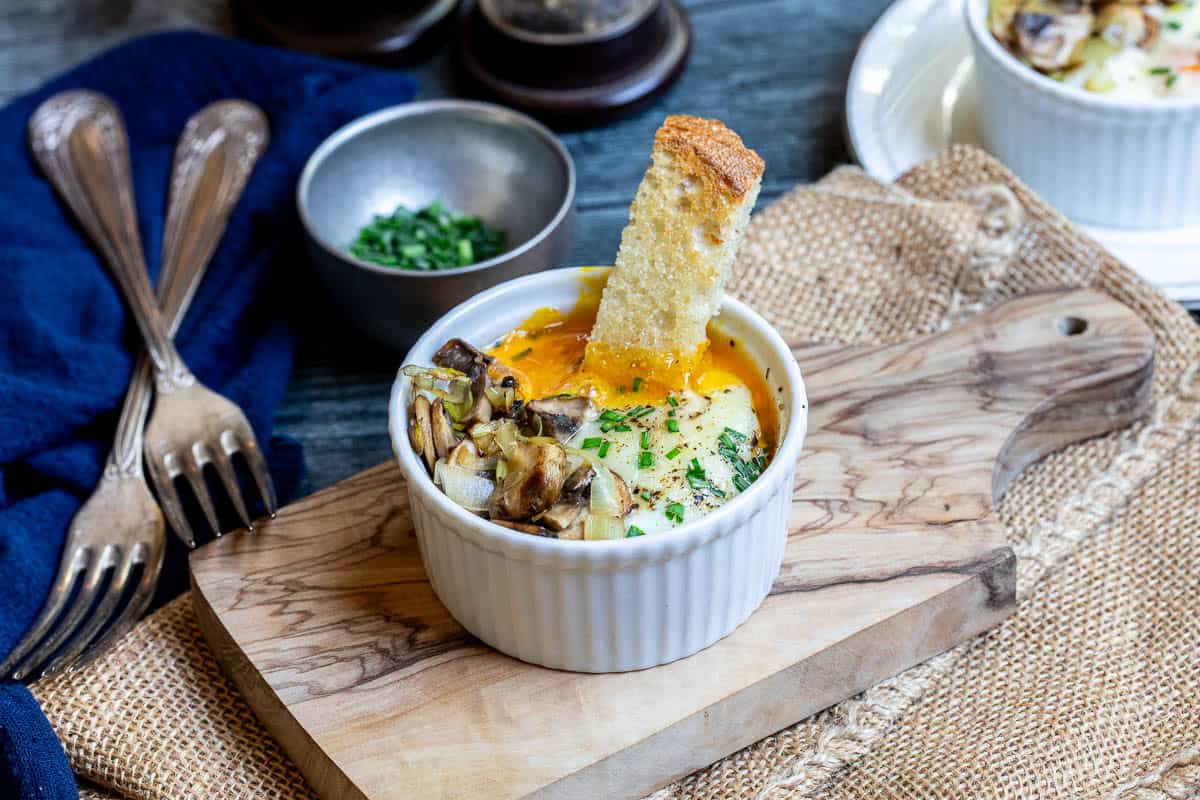
Unveiling the Charm of French Baked Eggs (Oeufs Cocotte)
Imagine a dish that effortlessly marries elegance with simplicity, a culinary secret whispered among French home cooks, now ready to grace your table. We're talking about
French baked eggs, known in their native land as
Oeufs Cocotte. This exquisite yet incredibly approachable dish transforms humble eggs into a gourmet experience, making it the perfect choice for anything from a leisurely Sunday brunch to a surprisingly quick and sophisticated weekday meal.
For those who’ve shied away from seemingly complicated egg preparations like notoriously finicky omelets or scrambled eggs that demand constant attention, oeufs cocotte are a revelation. They look incredibly impressive, suggesting hours in the kitchen, but in reality, they require minimal hands-on time and assemble in mere minutes. The beauty of these French baked eggs lies in their "set it and forget it" nature, allowing you to focus on other things while the oven works its magic. They truly are a testament to the effortless elegance of French cuisine – a dish that tastes and looks special without demanding special skills.
Mastering the Method: The Secret to Perfectly Cooked Oeufs Cocotte
At its heart, an oeuf cocotte is simply an egg baked in an individual ramekin or "little pot" (as "cocotte" translates). While there are stovetop methods, the traditional and most reliable way to achieve that signature creamy texture and perfectly runny yolk is through oven baking, specifically utilizing a hot water bath, or
bain marie. Don't let the fancy French term intimidate you; creating a bain marie is remarkably straightforward and is the cornerstone of achieving consistently outstanding
french baked eggs.
The bain marie works by gently regulating the temperature around the ramekins, preventing the eggs from cooking too quickly or unevenly. This gentle, consistent heat transfer is crucial because it ensures the egg whites set into a delicate, custard-like consistency, while the yolks remain gloriously soft and dippable. Without the water bath, the direct heat of the oven can cause the whites to become rubbery and the yolks to dry out – a culinary tragedy we aim to avoid! Setting up a bain marie is as simple as placing your ramekins into a larger baking dish and carefully pouring hot water around them until it comes halfway up the sides of the ramekins. It’s a small extra step that yields monumental results. For a detailed guide on the process, including step-by-step instructions, be sure to check out
How to Make Elegant French Baked Eggs (Oeufs Cocotte) Easily.
The basic process involves buttering your ramekins generously, adding your chosen base (often cream or a dollop of yogurt), cracking in one or two fresh eggs, topping with cheese and herbs, then placing them into the prepared water bath and baking until the whites are just set and the yolks are still wonderfully runny. This gentle baking is what gives oeufs cocotte their distinctly comforting and luxurious mouthfeel – creamy, savory, and utterly satisfying, begging to be scooped up with a spoon or a piece of crusty bread.
Beyond the Basic: Customizing Your French Baked Eggs
What truly elevates
French baked eggs from a simple recipe to a versatile culinary canvas is their unparalleled customizability. Once you understand the core technique, the possibilities for flavor combinations are virtually limitless, allowing you to tailor your oeufs cocotte to your specific tastes, pantry staples, or the season. This makes them not just a meal, but an adventure in flavor.
Essential Base Ingredients & Smart Swaps
While the egg is the star, the supporting cast plays a vital role in creating that perfect creamy consistency and depth of flavor.
*
Butter: Always start with softened butter to grease your ramekins. Not only does it prevent sticking, but it also adds a subtle richness that enhances the overall taste.
*
Eggs: Use large, fresh eggs for the best results. Freshness impacts both flavor and how beautifully the egg sets.
*
Cream or Dairy: Traditionally,
crème fraîche or heavy cream provides a decadent, silky base. However, full-fat Greek yogurt is an excellent substitute, offering a delightful tanginess and a slightly lighter feel without sacrificing creaminess. For a dairy-free option, a dollop of coconut cream can work wonders.
*
Cheese: This is where true personalization begins! Goat cheese offers a delightful tang, Gruyère melts beautifully with nutty notes, Parmesan adds a sharp, salty kick, and feta crumbles in for a briny touch. Even a simple sharp cheddar or Monterey Jack can create a comforting, familiar profile. Feel free to mix and match or use whatever artisanal cheese catches your eye.
*
Fresh Herbs: Delicate herbs like chives and parsley are classic choices, offering a fresh, bright counterpoint to the richness of the eggs and dairy. Don't hesitate to explore thyme, tarragon, dill, or even a hint of rosemary, depending on your desired flavor profile.
Elevating Your Oeufs Cocotte with Endless Variations
Once you have your base ingredients, think about what else you can tuck into those little pots to create something truly unique.
*
Vegetable Delights: Sautéed spinach or mushrooms, roasted cherry tomatoes, caramelized onions, asparagus tips, or even a spoonful of ratatouille can transform your oeufs cocotte into a complete meal. For a touch of earthiness, try a swirl of pesto at the bottom.
*
Savory Meats: Crispy bacon bits, thinly sliced prosciutto, smoked salmon, or finely diced ham can add a hearty, satisfying element. Imagine smoked salmon and dill oeufs cocotte for a refined brunch, or bacon and cheddar for a more rustic, comforting dish.
*
Spices & Aromatics: A pinch of smoked paprika, a dash of your favorite hot sauce, a drizzle of truffle oil, or even a sprinkle of za'atar can introduce intriguing global flavors.
*
Seasonal Inspiration: Embrace the seasons! In spring, pair your eggs with fresh peas and mint. In autumn, a spoon of roasted butternut squash puree at the bottom of the ramekin can be a revelation.
Serving & Scaling: Oeufs Cocotte for Every Occasion
One of the great advantages of
French baked eggs is their adaptability not only in flavor but also in presentation and portioning. They are truly built for bread dipping, making them a convivial and interactive dish. Serve them piping hot, straight from the oven (be careful, the ramekins will be hot!), with crusty baguette slices, toast "soldiers," or even warmed pita bread. A simple side salad dressed with a light vinaigrette can round out the meal beautifully, cutting through the richness of the eggs.
Oeufs cocotte are incredibly versatile for any meal of the day. They make for an impressive yet easy breakfast, a sophisticated and scalable brunch item (perfect for feeding a crowd without fuss), a comforting light lunch, or even an elegant appetizer before a larger dinner. Their individual portions mean you can easily scale the recipe up or down. Need a quick meal for one? Just prepare a single ramekin. Hosting a holiday brunch? Line up a dozen ramekins and bake them all at once. This ease of scaling makes them a fantastic "secret weapon" to have in your culinary repertoire. For more ideas on how to ditch those challenging egg dishes and embrace the ease of this classic, read
Ditch Finicky Omelets: Master Easy French Baked Eggs (Oeufs Cocotte).
Tips for Oeufs Cocotte Perfection
To ensure your
French baked eggs consistently turn out perfectly:
1.
Butter Generously: This prevents sticking and adds flavor.
2.
Use Fresh Eggs: Fresh eggs have firmer whites and yolks, which hold up better during baking.
3.
Don't Overfill: Leave a little space at the top of the ramekin for the egg to puff slightly.
4.
Preheat Your Water: Use hot or simmering water for your bain marie to ensure even cooking from the start. Cold water will slow down the cooking process significantly.
5.
Cover (Optional but Recommended): A piece of foil placed loosely over the ramekins (or over the entire baking dish) can help steam the top of the eggs, preventing the yolks from forming a dry skin while keeping them perfectly runny underneath.
6.
Watch for Visual Cues: Baking times can vary slightly. Look for whites that are just set and opaque, with the yolks still visibly jiggly and bright. The moment you remove them, they will continue to cook slightly from residual heat.
7.
Serve Immediately: Oeufs cocotte are best enjoyed fresh out of the oven when their texture is at its peak.
Conclusion
The humble egg, when treated with the delicate care of the French cocotte method, transforms into a dish of remarkable depth and sophistication.
French baked eggs are more than just a recipe; they are an invitation to explore a world of flavors, offering endless customization while maintaining an elegant simplicity that belies their gourmet appeal. Whether you're a seasoned chef or a kitchen novice, mastering oeufs cocotte will equip you with a dish that consistently impresses and delights, proving that sometimes, the most exquisite culinary experiences are also the most approachable. So, grab your ramekins, gather your favorite ingredients, and prepare to fall in love with this versatile French classic.